The Ultimate Disney Lorcana Collecting Guide: What to Hold, Why Long-Term Holding Wins, and Projective Value Analysis
Dive deep into the Disney Lorcana TCG secondary market. Explore high-tier rarity mechanics, historical price projections from early sets to modern Iconic chase cards, and a strategic blueprint on what to hold for maximum long-term value.
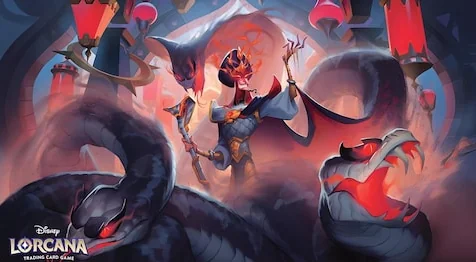
However, looking at the market data reveals a radically different story. The hobby has matured significantly, transitioning from raw product hype to a sophisticated collector's ecosystem. Understanding how this market behaves requires looking past transient pack openings and focusing on the underlying mechanics of scarcity, tier structures, and historical appreciation curves.
The Anatomy of Lorcana Rarity: Understanding the Hierarchy
- To project future values accurately, you must first understand how Ravensburger structures card scarcity. Unlike traditional TCGs that rely purely on holographic variations, Lorcana utilizes distinct tiers that fundamentally dictate long-term liquidity and ceiling pricing.
- Enchanted Cards: Introduced as the ultimate chase tier early on, these borderless, full-art alternate versions of existing cards carry legendary status. While newer tiers have stolen some spotlight, early Enchanteds from foundational sets remain anchor blue-chips due to historic sentiment.
- Epic and Iconic Tiers: The introduction of the Epic and Iconic tiers reshaped the top end of the market. Iconic cards, restricted to just a couple per set with specialized foil patterns and 3D hot-stamping, represent the absolute apex of modern booster-pullable rarity. Cards like the Iconic Buzz Lightyear - Jungle Ranger or Mickey Mouse - Brave Little Prince command massive secondary market figures because the pull rates are punishingly low.
- Promos and Convention Exclusives: D23 collection sets, Lorcana Challenge event promos, and localized tournament prizes operate entirely outside standard distribution channels. These cards serve as the true holy grails of the hobby, often trading independently of standard set cycles.
Historical Projections: What Past Sets Teach Us About Future Gains
To forecast where card values are heading, we look at the historical trajectory of foundational sets. The First Chapter serves as our primary baseline. Despite massive initial reprint waves designed to crush scalping, primary debut-year assets experienced a massive multi-quarter rebound.
When analyzing projective value based on older cards, several patterns emerge:
- The Scarcity Floor: Cards backed by an artificially limited supply (such as convention promos or low-population early print runs) rarely lose baseline value long-term. Even during market corrections, elite pieces maintain a sticky floor price because collectors treat them as fine art rather than game pieces.
- The Character Multiplier: Iconic Disney characters with deep emotional resonance—such as Elsa, Mickey Mouse, Stitch, and major Disney Renaissance protagonists—outperform mechanically powerful cards every single time. A card's playability in the current competitive meta fluctuates with balance patches; its character appeal is eternal.
- Grading Multipliers: Raw cards in Near Mint condition carry standard market values, but securing a gem-mint professional grade (such as a PSA 10) dramatically alters the value curve. For high-tier Enchanteds and Iconics, population reports dictate that top-tier grades command exponential premiums over raw copies.
What to Hold: Building a Fortress Portfolio
If you are treating Lorcana as a long-term collecting asset rather than a quick flip, your capital needs to be concentrated in specific categories. Here is a breakdown of what belongs in a serious long-term hold portfolio:
- Debut Set Grails: Original printings from the game's earliest eras. Even with minor structural reprints of regular cards, first-edition run variants and their accompanying Enchanted editions carry undeniable historical provenance.
- Top-Tier Iconic Pulls: Modern Iconic heavyweights—especially iconic characters paired with pop-culture permanence (such as Pixar crossovers or classic princesses)—act as the primary liquid assets of the current collecting landscape.
- Sealed Product of Undersupplied Sets: If you choose to hold sealed booster boxes or special gift sets, focus on expansions that experienced unexpected supply constraints or short print cycles. Sealed product acts as a macro-bet on the entire ecosystem's health.
- Limited Event Promos: Items handed out at restricted competitive events or specialized conventions possess a hard cap on population that can never be inflated by future retail waves.
Why Long-Term Holding Outperforms Flipping
The temptation to flip cards during initial release hype is high, but day-trading TCGs rarely yields sustainable wealth after accounting for platform fees, shipping risks, and market volatility.
Holding long-term insulates you from minor quarterly fluctuations. As the player base matures and nostalgic collectors enter their peak earning years, the demand for pristine, nostalgic Disney pieces surges. Supply naturally dwindles due to accidental damage, permanent grading submissions, and private collection locking. By holding structurally sound assets—specifically low-population variants and verified character grails—you align yourself with the fundamental laws of scarcity that govern all alternative asset classes.